0%

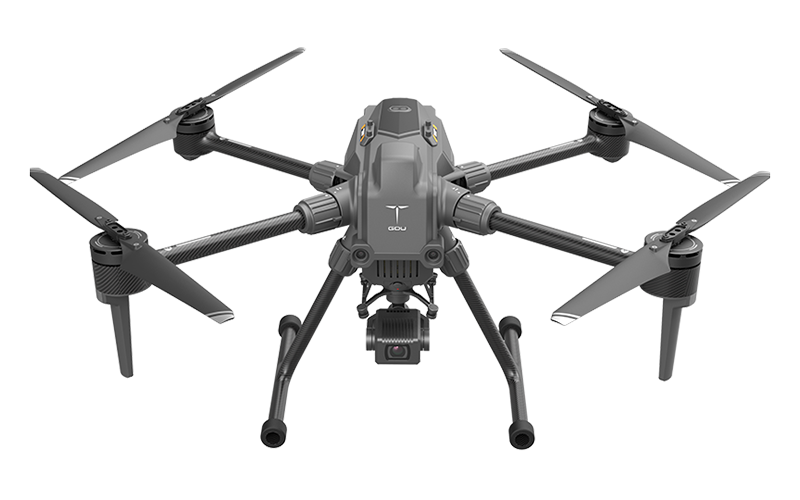
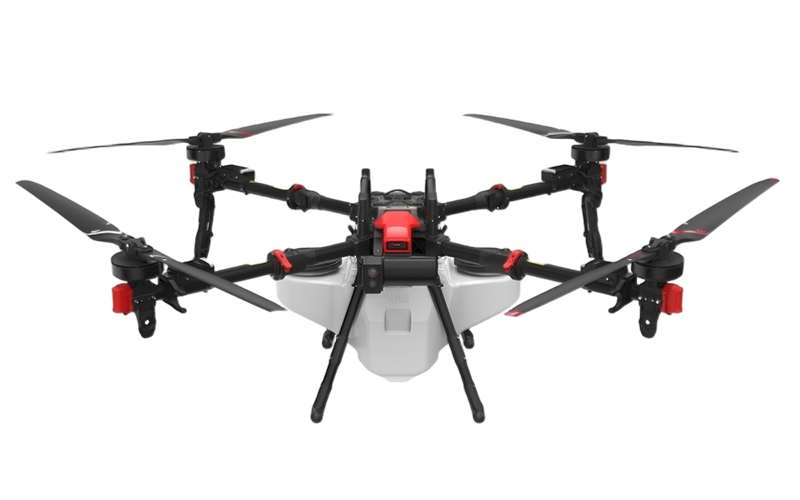
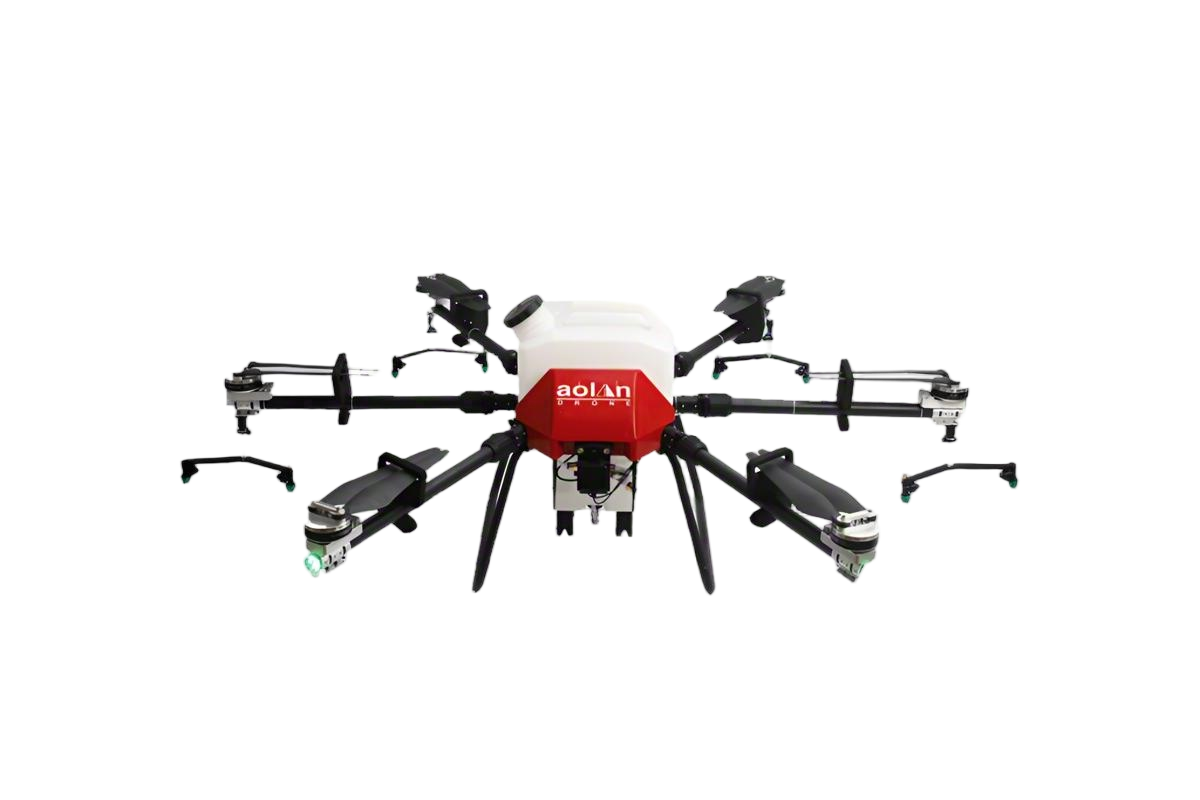
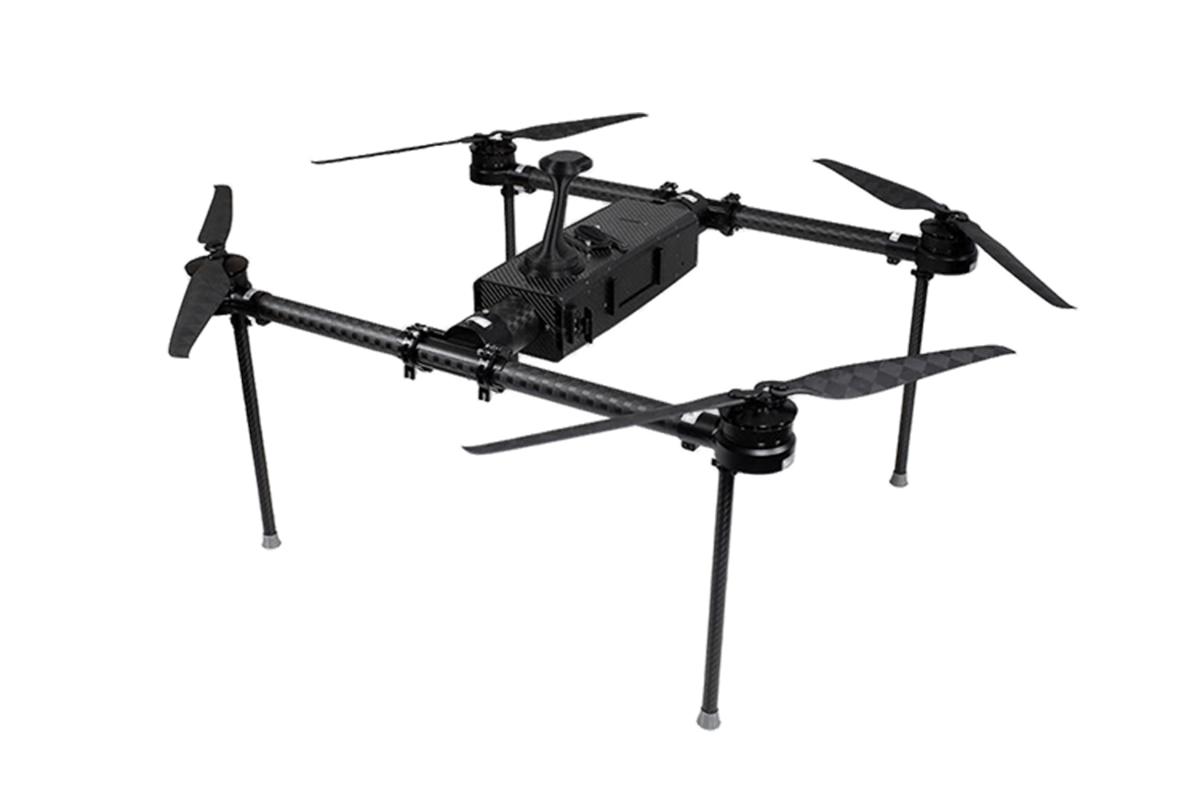
China’s fertilizer drone scene has really evolved—moving from those early experiments to actual, real-world farm use. In this guide, we’re gonna take a look at the top 10 fertilizer drone manufacturers in China, based on their practical performance, engineering smarts, and how well they support users after the sale.

We’re talking about companies like DJI Agriculture, XAG, JTI, Hanhe, EFT, TopXGun, TTA, Aolan, Zoomlion, and XAircraft. Each of these brands has its own strengths—whether that's payload design, route planning, spreading control, or how they handle batteries. A good fertilizer drone should spread granules evenly—even when the fields are bumpy or tricky—and it should fly steadily, give clear operating data, and be easy to maintain.

But let’s get real—numbers only tell part of the story. For example, a drone with a 20-kilogram hopper might sound pretty impressive, but how fast it loads and how far it needs to go to refill are just as important. If it doesn’t spread evenly, you’ll see stripes of fertilizer in your field, and wind can blow materials out of the intended rows. Plus, factors like battery temperature, obstacles in the field, and how well operators are trained all shake things up. Every farm is different, after all.

This overview pulls together specs, info from manufacturers, feedback from dealers, and common farming scenarios. But it’s important not to take marketing claims at face value—independent testing is a must, especially when it comes to spreading accuracy and how durable the drone is over time. Sometimes the numbers can be a bit misleading. A drone that flies more often isn’t necessarily better coverage, and a cheaper model might need more repairs.

When choosing, you should consider things like operating costs, local support, training quality, and whether it meets local regulations. The best pick really depends on your crop type, farm size, terrain, the type of fertilizer you’re using, and available labor. Keep in mind—things are always changing. Manufacturers keep updating hardware and software, so today’s top model might be replaced or improved tomorrow. That’s why a solid decision really comes down to combining good tech info with real-world field trials. It’s all about making a smart, tailored choice that works for you.

China Top 10 Fertilizer Drone Manufacturers

China’s Fertilizer-Drone Sector: 200,000+ Agricultural UAVs in Field Service

China Top 10 Fertilizer Drone Manufacturers

China’s fertilizer-drone sector has moved beyond small pilot projects. Public data from China’s Ministry of Agriculture and Rural Affairs reported more than 200,000 agricultural UAVs in field service by 2024. Industry research from the Qianzhan Industry Research Institute also identifies crop protection and granular spreading as major growth applications. These figures suggest a mature supply chain, not merely a technology trend.

A serious top-ten assessment should examine more than flight range. Field experience shows that hopper capacity, metering accuracy, battery turnover, and resistance to crosswinds affect daily output. A drone may cover hundreds of mu, yet poor calibration can leave uneven fertilizer bands. That is costly.

Performance varies by crop.

Rice paddies demand stable low-altitude flight. Orchards require obstacle awareness and controlled airflow. Dry fields often expose weaknesses in spreader design. The China Agricultural Machinery Industry Association has emphasized intelligent, efficient machinery in recent industry reports, while FAO digital-agriculture research highlights operator training and data quality. Those points matter when comparing manufacturers.

The 200,000-plus fleet should not be treated as a perfectly uniform statistic. Different sources may count registered aircraft, active machines, or service units. That gap deserves scrutiny. Buyers should verify independent field records, seasonal service capacity, spare-part availability, and measured application accuracy before ranking any supplier.

Ranking the Top 10 by Payload, Flow Rate, Autonomy, and CAAC Compliance

China Top 10 Fertilizer Drone Manufacturers

This ranking compares ten Chinese manufacturers through payload, flow rate, autonomy, and CAAC compliance. Payload matters when fields are large and refilling points are limited. Flow rate shows how quickly a drone can apply fertilizer. Yet higher flow does not always mean better coverage. Nozzle spacing, droplet size, wind, and flight height can change field results.

The top positions go to manufacturers offering strong payload capacity and steady application control. Mid-ranked companies may provide longer flight endurance, especially with efficient batteries and quick replacement systems.

Autonomy is assessed through practical flight time, route stability, battery alerts, and remaining power during return. Laboratory figures can look impressive. Field performance is often less predictable.

CAAC compliance receives equal attention in this ranking. Evidence may include required aircraft registration, operational documentation, safety instructions, and traceable product records. A compliant drone should support responsible use, not merely display technical certificates. Public documents were reviewed where available, but verification quality differs between manufacturers. That is a limitation worth noting. Independent field tests, service response, spare-part access, and operator training also influence reliability. A drone that carries 50 kilograms is not automatically the best choice. Consistent output, safe control, and clear documentation matter more over a full farming season.

DJI Agriculture: RTK Navigation and Multi-Litre Fertilizer-Spreading Systems

China’s leading fertilizer drone manufacturers are advancing precision field application through RTK navigation and multi-litre spreading systems. RTK uses correction signals to improve positioning accuracy across crop rows. This helps drones follow planned paths and reduce missed strips. In practical field tests, stable positioning matters most near trees, slopes, and irregular boundaries.

Multi-litre hoppers allow longer work cycles between refills. Some systems handle dry granules, while others support liquid fertilizer with controlled flow rates. Operators should match spreading speed, rotor height, and material weight before covering large areas. The first pass is rarely perfect. Moisture, wind, and uneven granules can change the result. A careful operator checks the soil afterward instead of trusting the screen alone.

Tips: Calibrate the dispenser with the actual fertilizer, not a similar product. Use RTK correction only after confirming a reliable signal. Keep flight height consistent and avoid strong wind. Inspect the spread pattern on a marked test area. Small adjustments often prevent costly overlaps. It is easy to assume automation removes judgment, but field conditions still demand experience and restraint.

XAG: Autonomous Flight, Variable-Rate Control, and Granule-Flow Precision

Autonomous fertilizer drones are changing how Chinese manufacturers approach field application. Their value extends beyond flight automation. The strongest systems combine route planning, variable-rate control, and accurate granule delivery.

Autonomous flight allows a drone to follow mapped boundaries, maintain steady height, and avoid repeated passes. This matters near irrigation channels, trees, and uneven crop rows. Operators can set application zones through a tablet, then monitor battery status and flight progress. However, mapping errors still occur. A misplaced boundary can leave narrow untreated strips.

Variable-rate control adjusts fertilizer output according to crop needs, soil zones, or prescription maps. Granule-flow precision is equally important. A calibrated hopper should release a stable amount, even when the drone changes speed. Field teams often check the discharge pattern over a collection sheet before full operation. Small differences can become costly across several hectares.

Moisture, granule size, and wind affect accuracy. Weather changes everything. A reliable machine should record flight data, application rates, and warning events for later review. This supports traceability and helps technicians identify blocked outlets or uneven spreading. Still, automated settings are not a substitute for agronomic judgment. Operators may need to revise rates after inspecting leaf color, soil texture, and crop growth. That gap is real. The technology is precise, but the decision behind the prescription must remain careful and evidence-based.

Manufacturers Ranked 3–10: Payload Design, Battery Systems, and Service Reach

China Top 10 Fertilizer Drone Manufacturers
Manufacturers Ranked 3–10: Payload Design, Battery Systems, and Service Reach

Manufacturers ranked third through tenth increasingly compete through practical engineering, not only flight speed. Most fertilizer platforms carry 30–70 liters, while larger agricultural models approach 80 liters. Payload balance matters more than maximum volume. A full hopper can quickly expose weak motors, uneven spreading, or unsafe landing behavior.

MarketsandMarkets reported that the global agricultural drone market could grow from about USD 1.3 billion in 2023 to nearly USD 3.7 billion by 2028.

This expansion rewards manufacturers offering modular hoppers, corrosion-resistant feeding systems, and adjustable discharge rates.

Several ranked suppliers use dual-battery designs, rapid battery swapping, and charging cabinets. Typical working endurance remains around 10–25 minutes with heavy payloads. That sounds limited. Field conditions make it shorter.

Service reach separates a useful aircraft from an expensive demonstration. Regional technicians, spare-part inventories, training, and application calibration reduce downtime during narrow fertilization windows.

The FAO’s agricultural statistics show fertilizer management remains closely tied to productivity and input efficiency, making accurate dosing commercially important. Yet advertised coverage rates often depend on ideal wind and field geometry. Independent field trials should therefore carry more weight than brochure figures. Some rankings remain imperfect because after-sales response data is rarely disclosed consistently.

Industry Benchmarks: 10–50 kg Payloads and Hectares Covered per Hour

China Top 10 Fertilizer Drone Manufacturers

China’s leading fertilizer-drone manufacturers are increasingly compared by payload, field efficiency, and application control. MarketsandMarkets’ 2024 Agricultural Drones Market report values the sector at approximately US$1.5 billion in 2024. It forecasts growth to about US$3.6 billion by 2029. This expansion raises a practical question: how much fertilizer can one aircraft deliver per hour?

Current industry benchmarks commonly group spreader drones between 10 and 50 kilograms. A 20-kilogram hopper, an 8-metre spread width, and an 8-kilometre-per-hour flight speed create a theoretical capacity of 6.4 hectares per hour. Real fields are less generous. Turning, battery changes, refilling, wind, and uneven boundaries may reduce usable coverage to roughly 3.8–4.8 hectares hourly. Small farms often value precision more than maximum output.

Payload alone can mislead. A 50-kilogram system may require stronger batteries, wider access routes, and more careful calibration. A 10-kilogram unit may work better on fragmented plots. FAO’s farm-management guidance repeatedly emphasizes matching inputs to field conditions, rather than chasing equipment size. That principle applies here. The best manufacturer is not always the one claiming the largest hopper. It may be the one delivering consistent granule distribution at low application rates. Field logs should record kilograms applied, hectares completed, refill time, and missed strips. Marketing figures are useful. They are not field evidence.

China Top 10 Fertilizer Drone Manufacturers - Industry Benchmarks: 10–50 kg Payloads and Hectares Covered per Hour
Benchmark Class Payload Capacity (kg) Typical Operating Speed (m/s) Effective Swath Width (m) Typical Flight Time per Load (min) Fertilizer Application Rate (kg/ha) Effective Coverage (ha/h) Typical Use Case
Class 1 10 4.0–5.0 3.0–4.0 12–18 10–40 0.6–1.0 Small plots, orchards, and uneven terrain
Class 2 15 4.0–5.5 3.5–4.5 11–17 10–45 0.7–1.2 Vegetable fields and fragmented farmland
Class 3 20 4.5–6.0 4.0–5.0 10–16 10–50 0.9–1.4 General field crops and moderate-sized farms
Class 4 25 4.5–6.0 4.5–5.5 10–15 10–55 1.0–1.6 Rice, wheat, maize, and soybean production
Class 5 30 5.0–6.5 5.0–6.0 9–14 10–60 1.2–1.8 Large open fields and contract farming operations
Class 6 35 5.0–6.5 5.0–6.5 9–13 10–65 1.3–2.0 High-volume granular fertilizer spreading
Class 7 40 5.5–7.0 5.5–6.5 8–12 10–70 1.5–2.2 Commercial farms and extensive crop areas
Class 8 45 5.5–7.0 6.0–7.0 8–12 10–75 1.7–2.5 Large-scale fertilizer distribution programs
Class 9 50 6.0–7.5 6.0–7.5 7–11 10–80 1.9–2.8 High-capacity agricultural service fleets
Class 10 50 6.5–8.0 7.0–8.0 7–10 20–100 2.2–3.2 Optimized spreading on large, unobstructed fields
Industry benchmark note: Effective coverage reflects practical field capacity rather than theoretical flight speed. Actual results vary with fertilizer density, application rate, field shape, refill logistics, wind, terrain, battery changes, and local operating regulations.

Certification and Procurement: GB Standards, Battery Safety, and Total Cost of Ownership

China Top 10 Fertilizer Drone Manufacturers

Certification should lead every procurement shortlist, not advertised payload. Buyers should request complete conformity files, factory test records, and traceable serial numbers. Applicable GB and GB/T requirements may cover unmanned-aircraft performance, electromagnetic compatibility, chargers, and lithium battery safety. GB 31241-2022 can support battery-cell risk assessment where applicable, but it is not automatic approval for every agricultural drone. Certification scope must match the actual aircraft, battery pack, and operating environment.

Battery evidence deserves close inspection. Ask for thermal-abuse results, balancing data, protection-board specifications, and safe charging instructions. IEA’s Global EV Outlook 2024 reported a 14% fall in average battery-pack prices during 2023. That decline does not guarantee cheap replacements for agricultural fleets. Field heat, fertilizer dust, and repeated fast charging can shorten battery life. Small details matter. A missing transport document can delay delivery.

Total cost of ownership should include batteries, chargers, nozzles, software, calibration, training, insurance, repairs, and seasonal storage. FAO’s State of Food and Agriculture 2022 links automation with labor-saving potential, yet labor savings depend on reliable uptime. Compare cost per treated hectare, not purchase price alone. A simple model divides five-year ownership costs by completed hectares. The calculation is rarely perfect. Weather, crop height, and operator skill can distort results. Procurement teams should test representative fields before approving a top-ten supplier.

FAQS

How does RTK navigation improve fertilizer drone operations?

RTK correction signals improve positioning across crop rows. The drone can follow planned paths near trees, slopes, and irregular boundaries. It may reduce missed strips. Signal quality still matters.

What should operators check before spreading fertilizer?

Calibrate the dispenser using the actual fertilizer. Check granule size, moisture, rotor height, speed, and material weight. Test the spread pattern on a marked area. The first pass is rarely perfect.

Can fertilizer drones handle both dry and liquid materials?

Some systems support dry granules, while others handle liquid fertilizer. Each material needs suitable equipment and flow settings. Operators should confirm compatibility before filling the hopper. Do not assume one setup fits everything.

What are the benefits of a larger fertilizer hopper?

A multi-litre hopper allows longer work cycles between refills. This can improve productivity across larger fields. Heavy material may affect flight time and stability. More capacity is not always better.

How does autonomous flight support field application?

Autonomous flight can follow mapped boundaries and maintain steady height. It may reduce repeated passes near trees, channels, and uneven rows. Operators can monitor battery status and route progress. A wrong boundary can leave untreated strips.

What does variable-rate fertilizer control do?

Variable-rate control changes output according to crop needs or soil zones. It can use prescription maps and application targets. Granule flow should remain stable when speed changes. Field evidence must guide the setting.

How can operators verify spreading accuracy?

Place collection sheets across a small test area. Measure the discharge pattern before treating the full field. Inspect soil, crop color, and visible coverage afterward. The screen alone is not enough.

What should buyers include in total ownership costs?

Include batteries, chargers, software, nozzles, calibration, training, repairs, insurance, and storage. Compare five-year costs with completed hectares. Weather and operator skill can distort the estimate. The calculation may still be imperfect.

Conclusion

China’s fertilizer-drone sector has developed into a large-scale agricultural technology market, with more than 200,000 agricultural UAVs reportedly serving farms and orchards. This article reviews the top ten manufacturers through practical criteria, including payload capacity, liquid or granular flow rate, flight autonomy, navigation accuracy, coverage efficiency, and compliance with civil aviation requirements. It explains how modern Fertilizer Drone systems support precise spreading, automated route planning, variable-rate application, and improved access to difficult terrain.

The comparison also examines the engineering factors behind dependable performance, such as 10–50 kg payload designs, battery endurance, fast charging, hopper control, and after-sales service coverage. In addition, the article outlines important procurement considerations, including applicable GB standards, battery safety, operator training, maintenance requirements, data management, and total cost of ownership. Together, these benchmarks help farms, distributors, and agricultural service providers evaluate equipment based on efficiency, reliability, safety, and long-term operating value.

Sophia

Sophia

Sophia is a dedicated marketing professional with a deep expertise in UAV systems, specializing in the creation of repeatable, traceable, and compliant solutions. With a strong focus on integrated innovation across hardware, algorithms, and data operations, she plays a pivotal role in enhancing the......
Previous China Top 10 Crop Drone Manufacturers for Global Buyers